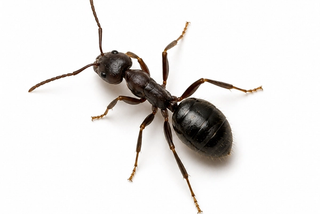

Spraying the ants you can see just reroutes the colony. We trace trails to the nest, bait the colony itself and seal the entry points — so the problem actually ends.
The ants on your counter are foragers — the colony and its queen are hidden in a wall void, under a slab, or out in the yard. Spraying the visible trail kills workers and can trigger the colony to split into multiple satellite nests, making the problem worse. Ending an ant problem means baiting the colony at its source and closing the doors it came through.
Get a Free QuoteFollow pheromone trails from food source back to the nest.
Slow-acting gel bait carried back to the colony — kills the queen, not just workers.
Exterior treatment ants walk through unaware and spread through the colony.
Caulk window frames, plumbing penetrations and foundation gaps.
Void dusting for galleries in damp framing.
Kill the attractants — sugar, grease, moisture, mulch against siding.
Colorado homes see odorous house ants, pavement ants and the occasional carpenter ant colony in damp framing. Repellent sprays split colonies and make infestations worse. IPM ant control uses non-repellents and baits the colony at its source.
Store sprays are repellents — they kill foragers and split the colony into satellite nests. Baiting kills the colony including the queen, which is why it works.
Bait needs a few days to spread through the colony. Most homes see trails collapse within 1–2 weeks.
Yes — placed in cracks, voids and stations out of reach, at the lowest effective amount.
Brandon. was awesome and discreet. Took care of my problem in one visit and followed-up to be sure treatments worked. Highly recommend.
Love how the product works and when the guy showed up he had an amazing attitude.
Got lucky with Google and struck gold with this company. Brandon is a great guy who provides excellent service. He answered all my questions. I was a little skeptical about pest and bug service but it really did make a huge difference for our house and yards.
ExtermiSafe was great to work with! The inspection was thorough and all my concerns were addressed. The turnaround time for an appointment was also super quick.
I cannot say enough amazing things about this exterminator. We had a massive bee issue that was stressing us out, and they handled it with absolute mastery. They arrived on time, explained everything clearly, and worked with such confidence that I instantly felt at ease. Within one visit, the bees were completely gone — no stragglers, no surprises, just flawless work. Their professionalism, kindness, and skill are unmatched. If you need someone who actually knows what they’re doing and delivers results, this is the team to call. Truly a 5‑star experience. I will be a repeat client for life!
Brandan was punctual, helpful, and professional. We did not succeed in finding a nest of Yellowjackets, but if there was a nest close by, Brandan would have found it! I will not hesitate to call him back if I find more dependable evidence of a nest. I have no problem, referring him to others. Cameron-k
Great service and quick! Treatment was safe for my pets to be around as well! Definitely using again
Had a great experience with ExtermiSafe Pest Control. Brandon came out to take care of a spider problem we were having and treated around the house to help keep spiders and other pests from making their way inside as the weather starts getting colder. Brandon was professional, knowledgeable, and took the time to explain what he was doing and why. The whole process was easy and straightforward, and I really appreciated how thorough he was. Definitely nice having the peace of mind knowing the house is treated before the colder weather hits. I would absolutely recommend ExtermiSafe Pest Control and Brandon to anyone looking for reliable pest control service!
Very professional staff and able to get the job done correctly!
Brandon knows his stuff. Dependable and kept in contact via text on the day of the appointment. Did a complete spray in crawl space, outside perimeter and inside house. Very confident that the issues was resolved.
Such great service, came as quickly as possible and eliminated the bees nest for a most reasonable price. Highly recommend, I would use them every time I had a problem with pests.
ExtermiSafe Pest Control is the most effective service around! Brandon is an expert at specific pest issues while alao keeping my home, inside and out, overall, safe and free from all pests! I highly recommend his regular service year-round for best results. Very economical, too!
Great service!!! Very thorough!!!
Brandon is awesome at his job. I had him come to a rental home after a furnace technician saw black widow spiders in the crawl space. He was very thorough in inspecting the inside of the house, the yard and the crawl space. He found 6 black widow spiders and 2 active wasp nests. He also identified how they were getting into the crawl space. Brandon was very efficient completing all this in about an hour. And he is very personable and pleasant to work with. Lastly his fees are very reasonable and the billing software that he uses is very easy to use to pay bills. Brandon was a joy to work with throughout the whole process from initial contact to remediation to billing. I highly recommend him
Brandon reached out to my inbox when I inquired nextdoor for recommendations for hornet's nest removal. Gave me a price and availability. We agreed on a time, he notified me when he was on his way. Super friendly and professional. Had all the equipment needed and got the job done. Would call up Brandon again no hesitation for any job I need done again.
Found their advertisement and scheduled an appointment the next day. Very friendly, very knowledgeable and reasonably priced. Home was full of spiders and cob webs etc. They treated my outer perimeter and garage. Have not seen any come back. You can tell they genuinely care about the customer and they did not try upsell me. Will definitely hire again.
Amazing job! Courteous and professional!! I have used them multiple times and jobs are always well done!!
Great work clean efficient and professional. The smaller companies I way better to go with then mega corp they are reasonable and down to earth
I needed an exterminator in a pinch and ExtermiSafe came through and sprayed around the house and was very nice and easy to deal with, Justin was a cool guy and I will pay for there services again.
Excellent and thorough service. Very respectful. he was able to do some preventative work as well as take care of the immediate issue. Highly recommend.
Brandon was on time, prompt and professional and got rid of the nest under our front door. Would highly recommend again!
I couldn’t be happier with my experience with Brandon, he’s very attention to detail, hits every nook and cranny. I’ve had problems with past pest control companies showing up for 5 minutes and that’s a $250 service. Brandon takes his time, gives your property the attention it needs for all pest control issues for a better value. Would highly recommend.
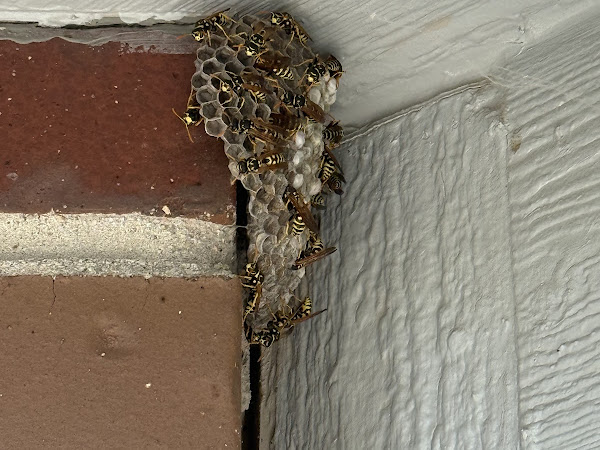
Brandon did an absolutely outstanding job on our home! From the moment he arrived, he was incredibly kind, patient, and professional. He took the time to answer all of our questions, explained everything he was doing, and never made us feel rushed. It was obvious how hard he worked to make sure the job was done right. He was thorough, detail-oriented, and genuinely cared about providing the best service possible. Since Brandon treated our home, we haven’t had a single issue, and the results have been fantastic. It’s hard to find someone who combines excellent workmanship with such a positive attitude, but Brandon does exactly that. If you’re looking for someone reliable, knowledgeable, and who truly goes above and beyond, I can’t recommend him enough. Thank you, Brandon, for the amazing work!
I had a great experience with ExtermiSafe Pest Control. Brandon was on time, professional, and very knowledgeable. He took the time to explain the treatment process, answered all of my questions, and never tried to upsell me. Since the service, I've noticed a huge improvement, and the pests are gone. It's refreshing to work with someone who genuinely cares about their customers. I highly recommend Brandon and ExtermiSafe Pest Control to anyone looking for reliable and honest pest control service.